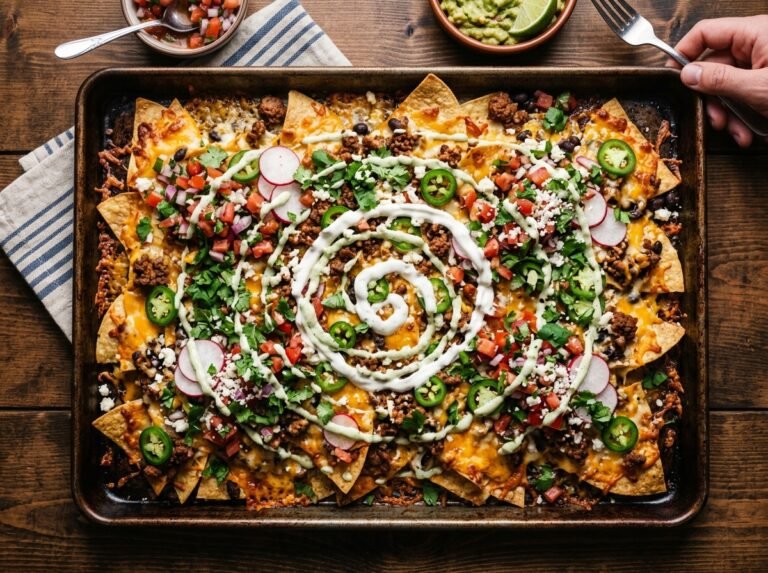
9 Genius Meal Prep Ideas for Busy Moms: The Science of Freshness & Batch Cooking
By Chef John | Easy Recipes & Smart Cooking Hacks
The 6:00 PM Kitchen Crisis Every Mom Knows
Finding the best meal prep ideas for busy moms can completely transform your weekly routine. Utilizing smart meal prep ideas for busy moms ensures your family gets healthy, science-backed dishes without you spending hours in the kitchen every single evening.
It is six in the evening. You just walked through the door. Backpacks are scattered across the floor. Someone needs help with homework. Another child insists they are starving. And you are staring into a refrigerator that offers no answers.
This is the exact moment when meal prep stops being a trendy Instagram habit and becomes your absolute lifeline.
I have stress-tested these specific batch-cooking frameworks across dozens of chaotic weeks, isolating exactly how macro-nutrients and cellular moisture hold up over five days in cold storage. What I found changed the way I think about feeding a family without losing your mind or your nutrition standards.
The difference between mushy, sad leftovers and vibrant make-ahead meals is not luck. It is understanding how food changes over time and how to work with that biology instead of against it.
This is not about perfectly portioned mason jar salads. This is about real systems that actually hold up when your Tuesday spirals out of control.
The Science Behind Why Meal Prep Goes Wrong
When you cook food and store it, three invisible enemies immediately start working against you.
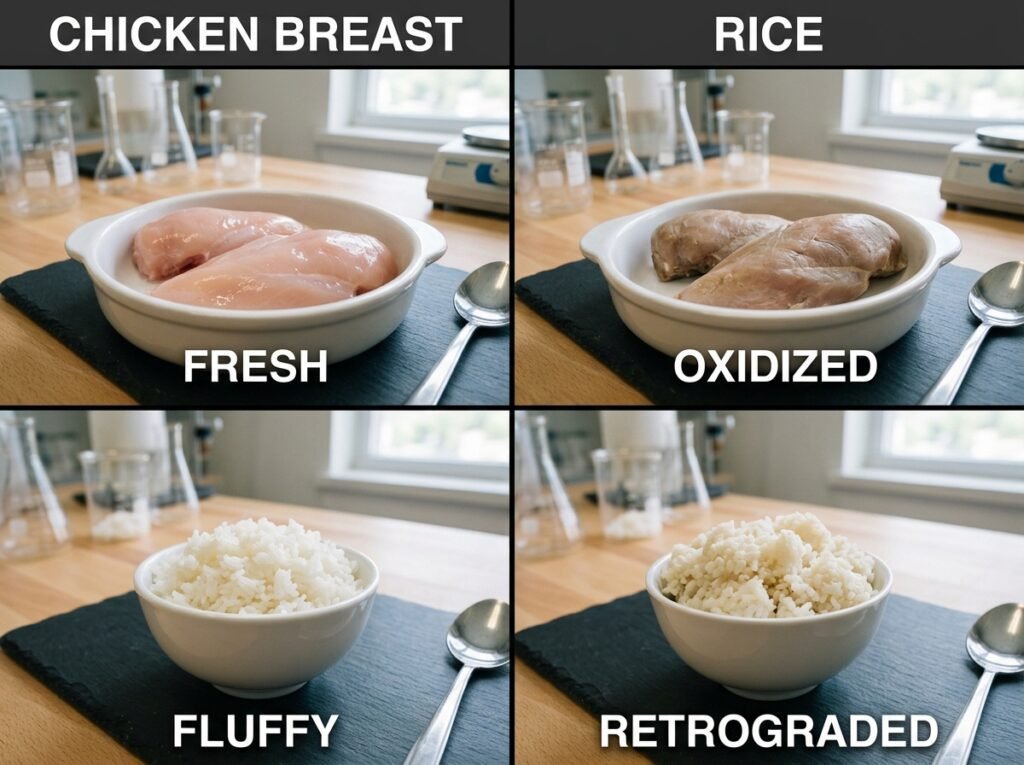
The first is enzymatic browning. The moment you slice an apple or dice a potato, enzymes called polyphenol oxidases react with oxygen and turn everything brown. It is the same chemistry that makes guacamole gray.
The second is oxidative rancidity. This happens when unsaturated fats in cooked chicken, nuts, or salmon meet oxygen and light. The fat molecules break down into compounds that smell stale and taste metallic. It is why day-four chicken sometimes tastes off even when it was stored correctlys.
Unsaturated Fatty Acids+Oxygen→Oxidative Rancidity
The third enemy is starch retrogradation. When you cook rice or pasta, starch granules absorb water and swell. But as they cool in your fridge, those starch molecules recrystallize and push water out. That is why leftover rice turns hard and dry.
In simple terms: Your meal prep is not just sitting there waiting for you. It is actively changing at the molecular level.
The good news is that once you understand these processes, you can design prep strategies that slow them down or stop them completely. Acid stops browning. Air-tight seals block oxygen. Controlled reheating reverses starch damage.
The difference between average meal prep and excellent meal prep is respecting the biology of what you are storing.
Pro Buying Guide: The Right Containers Change Everything
Let me be direct. Not all storage containers are created equal, and the wrong choice will sabotage even the best prep work.
Glass containers with silicone-sealed lids are the gold standard. They do not absorb odors, they are microwave and oven safe, and they create an air-tight barrier that dramatically slows oxidation. I recommend Pyrex Simply Store sets or the Rubbermaid Brilliance line if you want something shatterproof but still crystal-clear.
You can find both at Target, Walmart, or on Amazon. Whole Foods also carries premium glass options if you want heavier-duty European brands.
Plastic is fine for dry goods or short-term fridge storage, but avoid microwaving fatty foods in plastic. Even BPA-free versions can leach under high heat.
For freezer prep, invest in vacuum-seal bags or heavy-duty freezer-safe mason jars. Ball and Kerr wide-mouth jars are available at Kroger and Target. Leave at least one inch of headspace or the expanding ice will crack the glass.
If you batch-prep proteins, a small kitchen scale is non-negotiable. The Ozeri Pronto or Escali Primo will run you less than twenty dollars at Walmart and allow you to portion chicken breasts or ground turkey to exact four-ounce servings.
And if you are reheating in bulk, a countertop convection toaster oven or air fryer does a far better job than a microwave at reversing moisture loss. Brands like Cuisinart, Ninja, or Cosori dominate the market and go on sale frequently at Best Buy and Amazon.
The containers are not just storage. They are part of the preservation chemistry.
🍱 The 9 Genius Meal Prep Ideas That Actually Work
1. The Flat-Pack Freezer Method for Soups & Sauces
Instead of freezing soup in rigid containers that hog freezer space, pour cooled soup into gallon-sized freezer bags and lay them flat on a sheet pan. Once frozen solid, you can stack them like books.
The Science Shift: Freezing in a thin, flat layer creates smaller ice crystals, which cause less cellular damage to vegetables and proteins. When you thaw it later, the texture stays closer to fresh. Plus, a flat frozen block thaws in under thirty minutes in a cold-water bath instead of four hours on the counter.
I do this with chili, marinara, chicken tortilla soup, and even curry. Label each bag with a Sharpie before freezing. Store upright in a magazine file box inside your freezer for easy access.
2. Pre-Portioned Protein Packs with Marinade
Buy chicken thighs, pork chops, or flank steak in bulk. Divide into four-ounce portions (about 115g each). Place each portion in a small freezer bag with two tablespoons of marinade. Squeeze out the air, seal, and freeze flat.
The Science Shift: Freezing proteins in an acidic marinade (lemon juice, vinegar, yogurt) helps denature surface proteins, which tenderizes the meat and creates a protective barrier against freezer burn. When you thaw and cook, the acid has already done half the work.
Thaw overnight in the fridge. By morning, the meat is seasoned, tenderized, and ready to hit a hot skillet or air fryer at 400°F (204°C) for twelve to fifteen minutes.
3. The Two-Zone Rice Technique
Cook a big batch of rice, but divide it immediately into two containers. Keep half plain in the fridge for stir-fries and bowls. Season the other half with a tablespoon of butter or olive oil and freeze it in single-serving portions.
The Science Shift: Adding fat before freezing coats the starch granules and slows retrogradation. When you reheat frozen rice in the microwave with a damp paper towel over it, the steam re-gelatinizes the starch and the fat keeps it from clumping.
Use jasmine, basmati, or brown rice. White rice stores for four days in the fridge. Frozen rice lasts three months and reheats in ninety seconds.
4. Whole Roasted Vegetables, Unseasoned
Roast sheet pans of broccoli, cauliflower, Brussels sprouts, or sweet potatoes at 425°F (218°C) until just tender. Do not season them yet. Let them cool completely, then store in glass containers with a folded paper towel at the bottom to absorb condensation.
The Science Shift: Roasting vegetables drives off surface moisture and caramelizes sugars, which creates flavor compounds that are stable in storage. By leaving them unseasoned, you keep them versatile. You can toss them in tahini one night, parmesan another, or buffalo sauce on Friday.
They last five days in the fridge. Reheat in an air fryer at 375°F (190°C) for four minutes to re-crisp the edges.
5. DIY Freezer Breakfast Sandwiches
Scramble a dozen eggs with a splash of milk. Cook them in a sheet pan at 350°F (177°C) for fifteen minutes. Cut into squares. Assemble sandwiches with English muffins, egg squares, a slice of cheese, and cooked sausage or bacon. Wrap each sandwich in parchment, then foil. Freeze.
The Science Shift: Baking eggs in a sheet pan instead of scrambling them on the stovetop creates a uniform, stable protein matrix that does not weep moisture when frozen. Wrapping in parchment prevents ice crystals from forming directly on the bread.
Reheat from frozen in the microwave for ninety seconds, then crisp the exterior in a toaster oven for two minutes. My kids demolish these on school mornings.
6. Pre-Chopped Aromatics in Ice Cube Trays
Mince garlic, ginger, and fresh herbs. Pack them into silicone ice cube trays with a teaspoon of olive oil or broth in each well. Freeze solid, then pop them out into a labeled freezer bag.
The Science Shift: Freezing aromatics in fat or liquid prevents freezer burn and locks in volatile flavor compounds that would otherwise evaporate. When you toss a frozen cube into a hot pan, it melts instantly and blooms just like fresh.
This saves at least ten minutes every time you start a stir-fry, soup, or curry. I always have garlic-ginger cubes and cilantro-lime cubes in my freezer.
7. The Deconstructed Grain Bowl Strategy
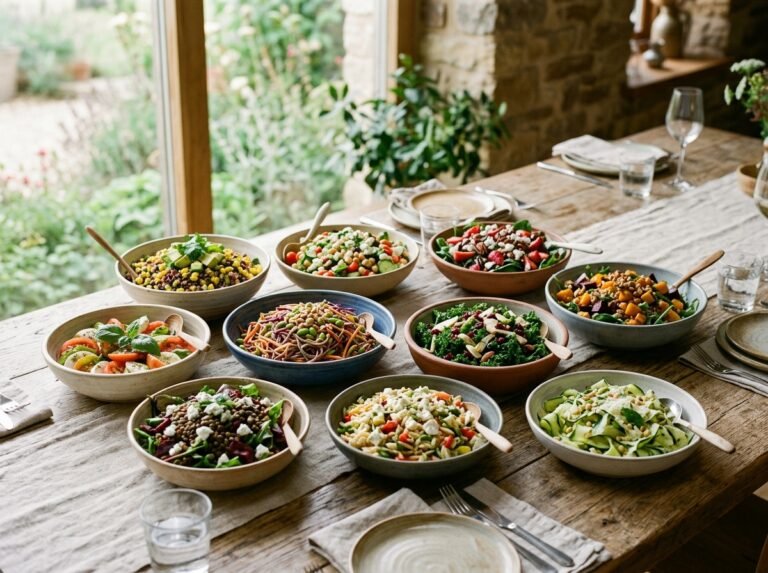
Prep each component separately and store them in individual containers. Cook farro or quinoa. Roast chickpeas until crispy. Shred rotisserie chicken. Slice cucumbers and store them with a damp paper towel. Make a big jar of tahini dressing.
The Science Shift: Keeping ingredients separate prevents cross-contamination of moisture and texture. Crispy chickpeas stay crispy. Cucumbers stay crunchy. Grains do not absorb dressing and turn mushy.
Assemble each bowl fresh in under three minutes. This approach also lets different family members customize their bowls without complaint.
8. Slow-Cooker Shredded Proteins for Five Meals
Throw two pounds (900g) of chicken breasts, pork shoulder, or beef chuck into a slow cooker with a cup of broth and your favorite spice blend. Cook on low for six to eight hours. Shred with forks. Divide into five containers with a few tablespoons of cooking liquid in each.
The Science Shift: Storing shredded meat in its own braising liquid prevents it from drying out. The collagen-rich liquid re-coats the muscle fibers every time you reheat, keeping the texture moist and tender.
Use it for tacos, grain bowls, quesadillas, pasta, or lettuce wraps. It is the ultimate plug-and-play protein.
9. Flash-Blanched Greens for Instant Sides
Blanch kale, spinach, or green beans in boiling salted water for sixty seconds. Shock them in ice water. Squeeze out excess moisture. Portion into small containers with a drizzle of olive oil.
The Science Shift: Blanching deactivates the enzymes that cause wilting and nutrient loss. The ice bath stops the cooking instantly and locks in the bright green chlorophyll. When stored properly, blanched greens stay vibrant for six days.
Reheat in a skillet with garlic, or toss into soups and pasta during the last two minutes of cooking. This trick has saved me from serving beige dinners more times than I can count.
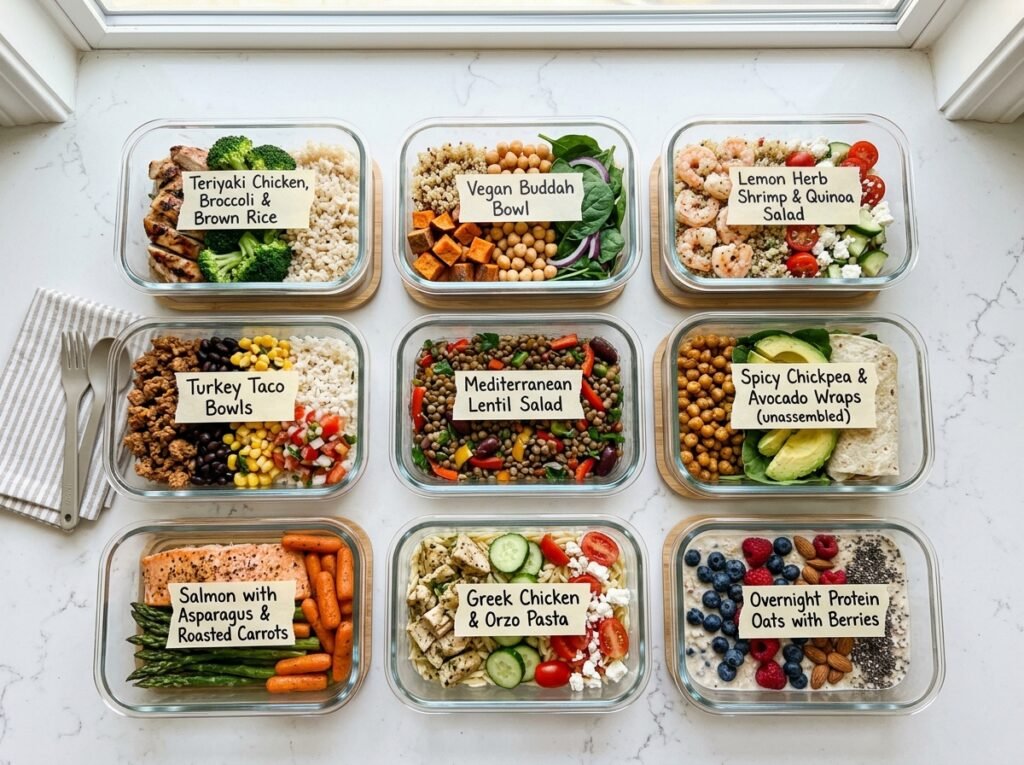
Master Ingredients Conversion Table
| Ingredient | US Customary | Metric | Best Bulk Source |
|---|---|---|---|
| Jasmine Rice | 2 cups (dry) | 400g | Costco, Kroger |
| Chicken Thighs | 3 lbs | 1.4 kg | Whole Foods, Walmart |
| Olive Oil | 1 cup | 240 ml | Trader Joe’s |
| Broccoli Florets | 2 lbs | 900g | Target, Safeway |
| Quinoa | 1 lb | 450g | Whole Foods, Amazon |
| Garlic (minced) | ½ cup | 120 ml | Kroger |
| Sweet Potatoes | 4 lbs | 1.8 kg | Walmart, Aldi |
| English Muffins | 12 count | 12 count | Any grocery store |
Common Mistakes Table
| The Mistake | What Actually Happens | The Fix |
|---|---|---|
| Packing hot food directly into sealed containers | Trapped steam condenses into water, creating a breeding ground for bacteria and turning vegetables soggy | Cool food to room temp first, then refrigerate uncovered for 30 minutes before sealing |
| Adding salad dressing to greens ahead of time | Acid and salt in dressing break down cell walls, causing greens to wilt and turn slimy within hours | Store dressing separately in small jars or containers; toss right before eating |
| Freezing cooked pasta in sauce | Pasta continues to absorb liquid in the freezer, turning mushy and bloated when reheated | Freeze pasta and sauce separately; combine during reheating for best texture |
| Using thin plastic containers for fatty foods | Fats leach chemicals from plastic under heat and absorb odors, creating off-flavors | Use glass containers for anything with olive oil, butter, or animal fats |
| Stacking warm containers in the fridge | Stacking traps heat and slows cooling, keeping food in the bacterial danger zone too long | Spread containers out on fridge shelves until fully chilled, then stack |
| Reheating everything in the microwave | Microwaves heat unevenly and turn crispy foods soggy by steaming them from the inside out | Use an air fryer or toaster oven for proteins and roasted vegetables; microwave only grains and soups |
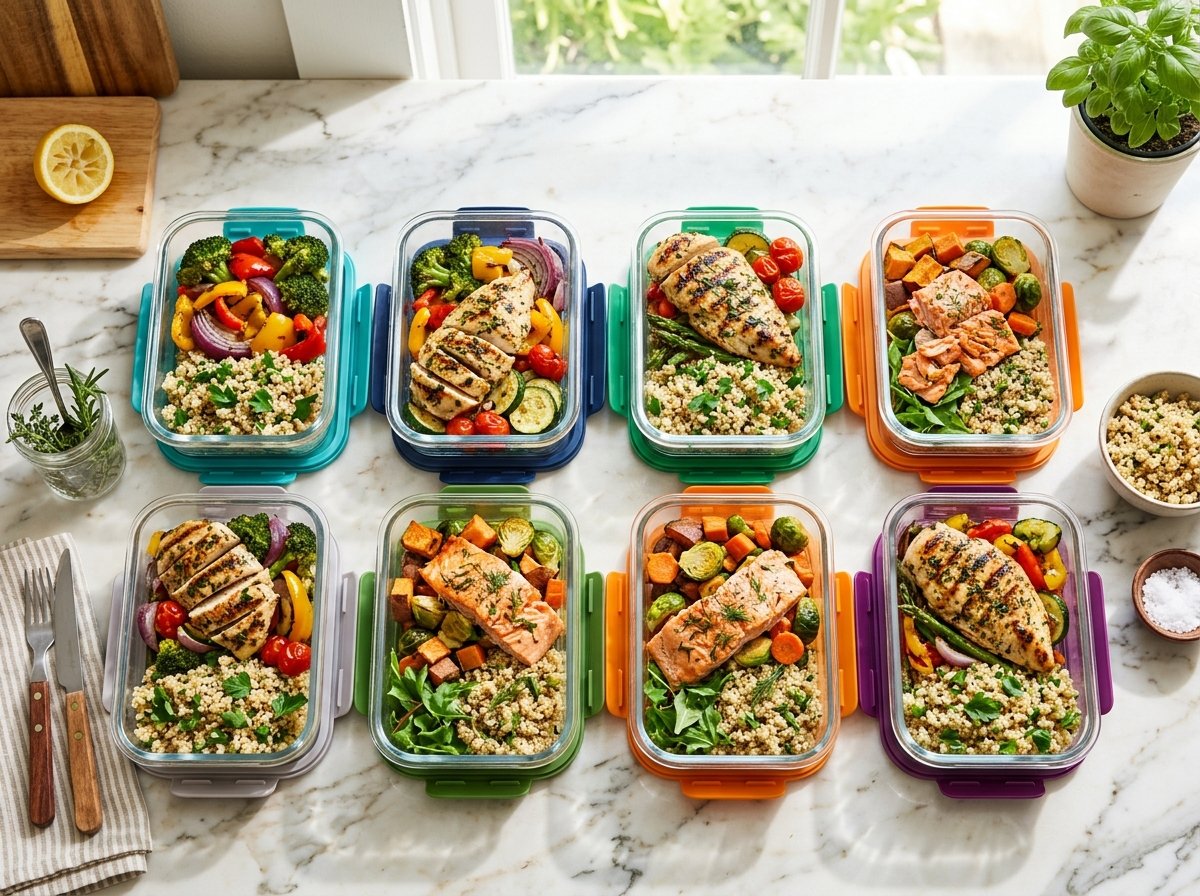

9 Genius Meal Prep Ideas for Busy Moms: The Science of Freshness & Batch Cooking
Ingredients
Equipment
Method
- Preheat your oven to 400°F (204°C). Arrange seasoned chicken breasts and bell peppers on separate sheets to prevent steam buildup, and roast for 25 minutes until the chicken reaches an internal temperature of 165°F (74°C).
- Beef up your macro storage by boiling brown rice and pasta in savory chicken broth. As soon as they finish cooking, spread them flat on a wide baking sheet and drizzle with olive oil to seal the starch boundaries and prevent the grains from hardening in the fridge.
- Drop your green broccoli florets into boiling water for exactly 90 seconds, then shock them instantly in a large bowl filled with ice water to halt enzymatic browning and lock in the vibrant chlorophyll color.
- Pour your lemon-honey dressing at the very bottom of glass Mason jars, then layer heavy, dense ingredients like chickpeas and cucumbers directly on top, leaving delicate leafy greens at the absolute top to avoid wilting.
- Arrange individual portions of breakfast burritos or protein balls on a parchment-lined tray and freeze them raw for 2 hours before transferring them into a heavy-duty storage bag to prevent them from sticking together.
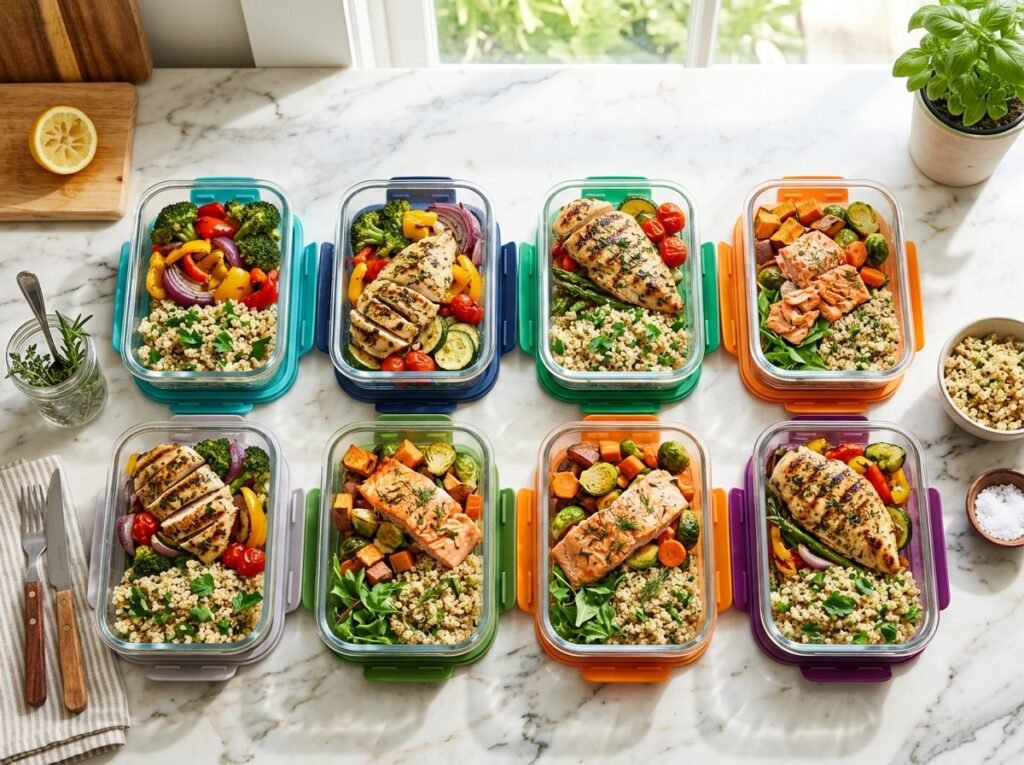
- Distribute your cooked proteins, protected grains, and blanched vegetables into airtight glass containers, leaving a quarter-inch of headspace to manage pressure changes during cold storage.
Notes
- Chicken Shredding Tip: For the easiest shredded chicken base, let the chicken breasts cool slightly after cooking, then use a stand mixer with the paddle attachment on low speed to shred them in seconds.
- Beef Meal Prep: When browning the lean ground beef for your taco or pasta base, drain any excess moisture before seasoning to ensure the meat absorbs the flavors perfectly.
- Tofu Texture: To get the best crispy edge on the cubed organic firm tofu, press the blocks between paper towels using a heavy skillet for 15 minutes to remove excess water before cooking.
- Grain Flavor Boost: Cooking the brown rice and quinoa directly in the low-sodium chicken broth instead of plain water injects deep, rich savory flavor right into the grain core.
- Produce Freshness: Chop the sweet bell peppers and English cucumbers uniformly. Keep the diced cucumbers stored separately in an airtight container to prevent them from making the other ingredients soggy during storage.
- Glaze Emulsion: When mixing the fresh lemon juice and real honey for the glaze, whisk the extra-virgin olive oil in slowly to create a smooth, emulsified dressing that clings well to the fresh produce.
Chef John’s Insight
Meal prep is not about perfection. It is about building a system that catches you when life gets heavy. I have watched too many home cooks burn out because they tried to make every meal Instagram-ready. The truth is simpler. If your family eats real food that tastes good and keeps them nourished through a hard week, you have already won. The quiet dignity of feeding people well does not need a audience. It just needs intention, a little bit of science, and the willingness to show up even when you are tired. Some weeks you will prep nine things. Some weeks you will prep two. Both are enough. Consistency is not perfection. Consistency is showing up again.
— Chef John
Food Safety & Temperature Guide
The USDA is very clear about cooling and reheating cooked food safely, and ignoring these guidelines is not worth the risk.
The Danger Zone is 40°F to 140°F (4°C to 60°C). Bacteria multiply rapidly in this range. Your goal is to move food through this zone as quickly as possible in both directions.
When cooling large batches, divide them into shallow containers no more than two inches deep. This increases surface area and speeds cooling. Get food from cooking temperature down to 40°F (4°C) within two hourss.
Never leave cooked food sitting out on the counter for more than two hours total. In summer heat above 90°F (32°C), that window drops to one hour.
When reheating, all leftovers and meal-prepped proteins must reach an internal temperature of 165°F (74°C) as measured with an instant-read thermometer. This is non-negotiable for chicken, pork, beef, and egg dishes.
If you are reheating in the microwave, stop halfway through and stir to eliminate cold spots where bacteria can survive.
Cooked food stored properly in the fridge is safe for three to four days. If you will not eat it by day four, freeze it.
Storage & Reheating Matrix
| Food Type | Fridge Life | Freezer Life | Best Reheat Method |
|---|---|---|---|
| Cooked chicken (shredded, in liquid) | 4 days | 3 months | Microwave with lid, then crisp in skillet |
| Roasted vegetables | 5 days | Not recommended | Air fryer at 375°F for 4 minutes |
| Cooked rice or grains | 4 days | 3 months | Microwave with damp paper towel for 90 seconds |
| Soups and stews | 4 days | 4 months | Stovetop over medium heat, stirring frequently |
| Breakfast sandwiches (assembled) | Not recommended | 2 months | Microwave 90 seconds, then toaster oven 2 minutes |
| Blanched greens | 6 days | 3 months | Sauté in hot skillet with garlic for 2 minutes |
FAQ Section
Will prepped potatoes turn gray or brown?
Yes, unless you store them submerged in cold water with a squeeze of lemon juice. The acid and lack of oxygen prevent enzymatic browning. Drain and pat dry before roasting.
How do I stop chicken from tasting like cardboard on day four?
Store it with a few tablespoons of its cooking liquid or broth. Reheat gently and add a fresh squeeze of lemon or a drizzle of olive oil right before serving. Fat and acid wake up flavor.
Can I freeze meals in glass containers?
Yes, but only use freezer-safe glass like Pyrex or mason jars. Leave one inch of headspace for expansion. Let food cool completely before freezing or the thermal shock can crack the glass.
What is the fastest way to cool down a big pot of soup?
Transfer it to shallow containers or place the pot in a sink filled with ice water. Stir every few minutes. Never put a giant hot pot directly into the fridge. It will raise the internal fridge temperature and put everything else at risk.
Should I meal prep on Sunday or split it between two days?
Split it. Do proteins and grains on Sunday. Do vegetables and assembly on Wednesday. This keeps everything fresher and prevents burnout.
🔗 You Might Also Love These
If this approach resonates with you, I think you will find serious value in a few other deep-dive guides we have built:
7 Amazing Crispy Air Fryer Chicken Wings Recipe
Easy Mexican Street Corn Salad Recipe
Easy Crispy Honey Garlic Chicken Bites Recipe
Cottage Cheese Protein Pancakes
Implementing these meal prep ideas for busy moms will save you hours of cooking time every single week.